Tracing the Development of Reward Mechanisms Tied to Diverse Wheel Configurations in Licensed Gaming Sites
Clara Hughes · Sep 22, 2026
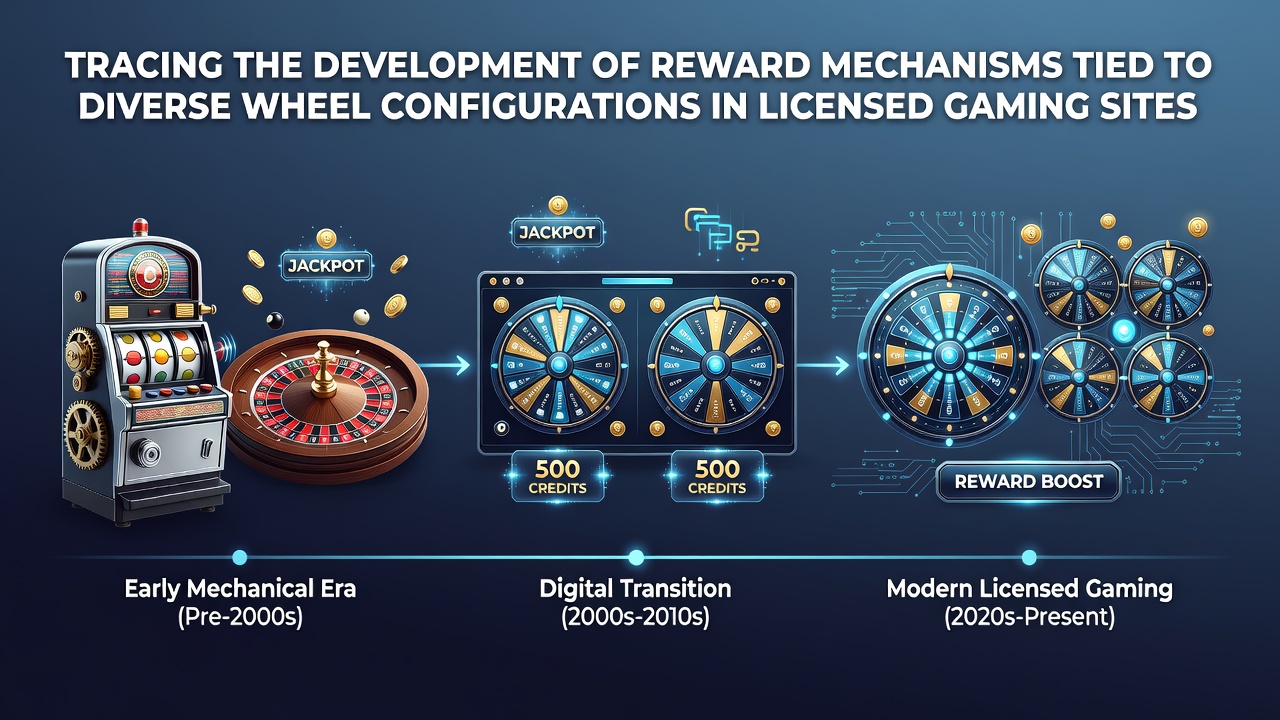
Tracing the Development of Reward Mechanisms Tied to Diverse Wheel Configurations in Licensed Gaming Sites
Early wheel designs in physical casinos established baseline configurations that later shaped reward systems once operators moved into licensed digital environments, and data from regulatory filings show how European single-zero wheels with 37 pockets carried different payout structures compared to American double-zero models that added an extra pocket and adjusted house edges accordingly. Licensed sites began tracking these differences in the late 1990s when software providers introduced virtual replicas, and figures from industry reports indicate that reward mechanisms such as deposit match bonuses and cashback programs started scaling with wheel type to maintain player engagement across jurisdictions.
Initial Shifts from Land-Based to Digital Configurations
Operators in the 2000s adopted French wheel variants that included rules like en prison and la partage, which reduced the house edge on even-money bets, and those adjustments prompted platforms to link loyalty rewards directly to participation in these lower-edge games. Studies conducted by university researchers at institutions such as the University of Nevada documented how these configurations influenced player retention metrics, while licensed operators responded by creating tiered bonus systems that awarded higher point multipliers when users selected French-style wheels over standard European ones. The transition accelerated as regulatory bodies in multiple regions required transparent reporting of return-to-player percentages tied to each wheel variant.
Expansion of Wheel Variants and Linked Incentives
By the mid-2010s multiple wheel formats appeared on licensed platforms including mini-wheels with fewer pockets and multi-ball versions that altered outcome probabilities, and data compiled by the New Jersey Division of Gaming Enforcement revealed corresponding changes in promotional structures where sites offered free spins or deposit boosts calibrated to the volatility of each new configuration. Researchers noted that American double-zero wheels often paired with higher-risk reward tiers featuring larger jackpot contributions, whereas single-zero European wheels connected to steadier accumulation systems that emphasized consistent play over time. And those patterns continued as additional variants entered markets in Australia and parts of Europe, with operators adjusting loyalty programs so that point accrual rates reflected the specific mathematical profile of the wheel in use.
Regulatory Influences on Reward Calibration
Licensed gaming sites operating under frameworks established by bodies such as the Malta Gaming Authority implemented reporting requirements that linked reward transparency to wheel specifications, and records from 2024 through early 2026 show operators publishing detailed breakdowns of how bonus eligibility varied by configuration. In September 2026 several platforms updated their systems to incorporate real-time tracking that adjusted reward multipliers automatically when players switched between wheel types during a session, and this approach aligned with data standards promoted by international research groups focused on gaming mathematics. Observers point to case examples where sites in regulated Canadian provinces introduced wheel-specific cashback tiers that delivered higher percentages on European configurations to balance overall player spend patterns.
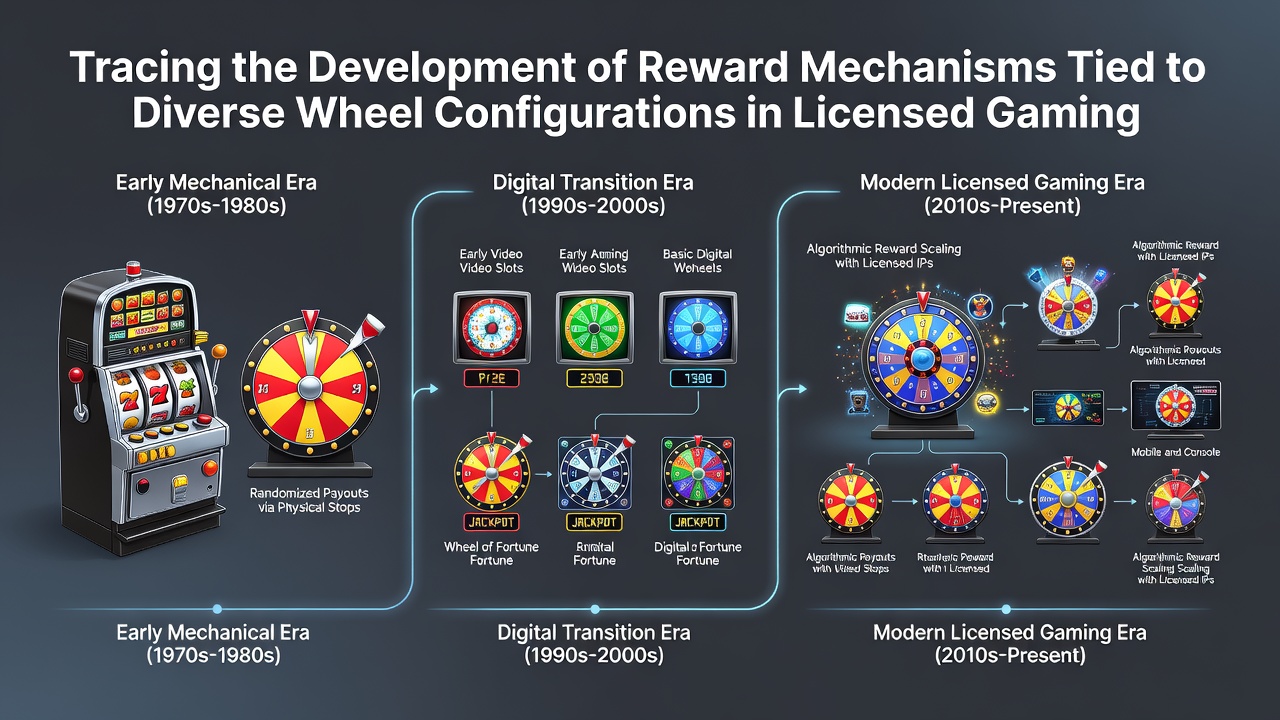
Software updates in the early 2020s introduced hybrid wheels that combined elements from different traditional designs, and those innovations led platforms to develop modular reward engines capable of recalibrating bonuses on the fly. Evidence from academic papers presented at gaming technology conferences indicates that these engines used probability data from each wheel to determine eligibility thresholds for progressive jackpots and seasonal promotions. Licensed operators also began publishing comparative statistics that highlighted how reward redemption rates differed across wheel categories, which helped maintain compliance while giving players clearer information about expected value under each setup.
Current Integration Practices in Licensed Environments
Contemporary systems connect player accounts to wheel preference histories, and this allows sites to tailor ongoing incentives such as reload bonuses or tournament entries based on historical selections of specific configurations. Figures released through industry associations demonstrate that sites offering French wheels with built-in rule advantages frequently attached these to membership tiers that unlocked additional reward layers unavailable on American double-zero formats. The result has been a layered approach where reward mechanisms function as extensions of the wheel mathematics themselves rather than separate promotional tools, and regulatory filings from multiple jurisdictions continue to track these linkages for compliance purposes.
Conclusion
Development of reward mechanisms alongside diverse wheel configurations has followed a path driven by regulatory oversight, software capability, and documented player behavior data across licensed markets. From the initial replication of land-based designs to the current modular systems that adjust incentives in real time, the record shows consistent correlation between wheel specifications and the structure of available rewards. As platforms continue operating under established licensing frameworks, these connections remain central to how operators present and manage engagement tools tied to wheel-based games.